5 Signs It’s Time for a Commercial Renovation
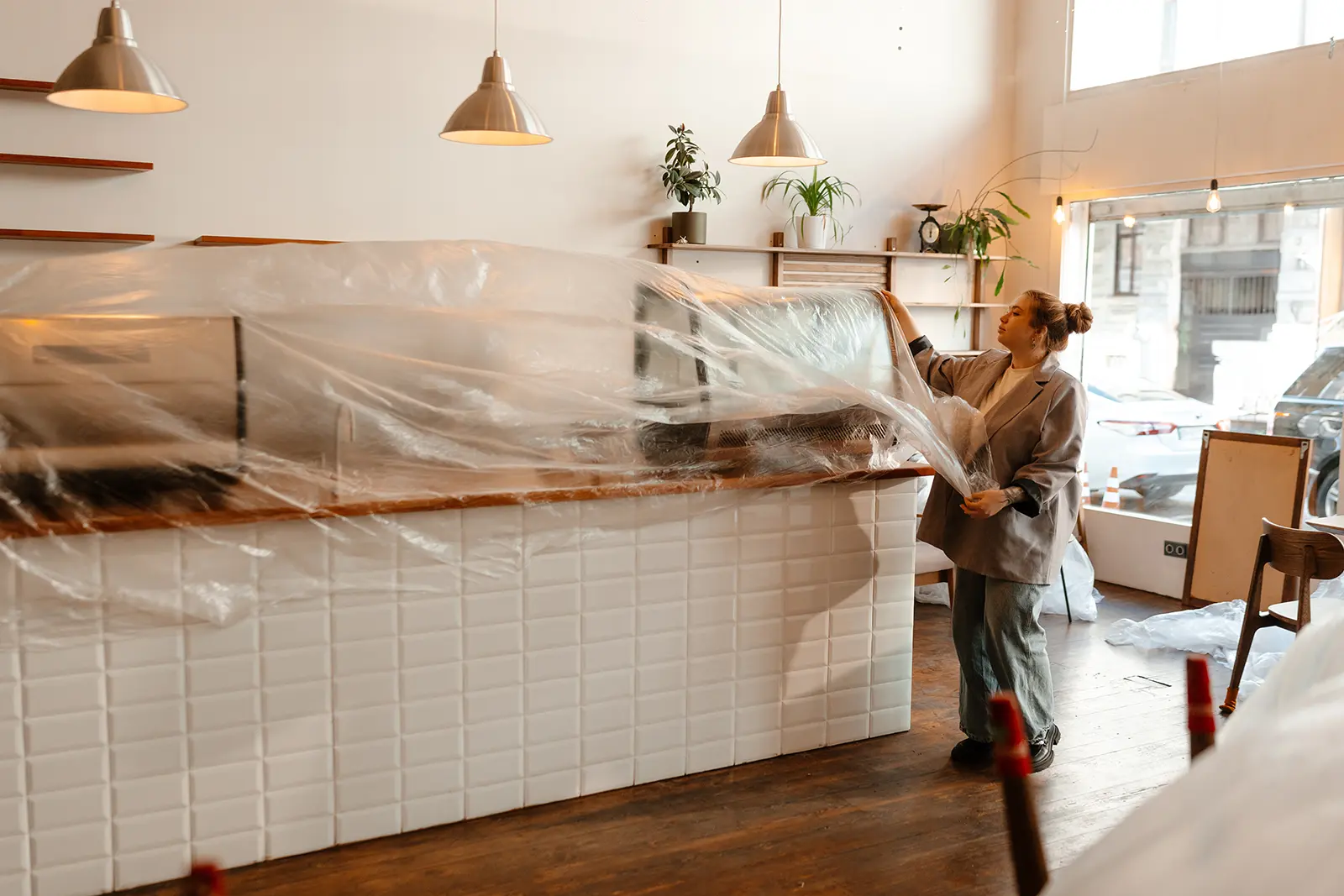
Commercial spaces are designed to support productivity, safety, and long-term performance—but over time, even well-built environments can start to fall behind. Outdated layouts, inefficient systems, and recurring maintenance issues don’t just affect appearance—they can impact operations, tenant satisfaction, and operating costs.
Recognizing the early signs that a renovation is needed allows property owners and businesses to address problems proactively, before they escalate into costly disruptions. Below are five common signs it may be time for a commercial renovation.
1. Your Layout No Longer Supports How the Space Is Used
Commercial spaces evolve. What worked five or ten years ago may no longer align with how your team operates today.
Common layout issues include:
- Inefficient workflows or bottlenecks
- Underutilized or overcrowded areas
- Lack of flexibility for growth or changing operations
If your space feels restrictive or no longer supports daily activity, a renovation can improve functionality, circulation, and long-term usability.
2. Ongoing Maintenance Issues Are Becoming the Norm
Frequent repairs are often a sign of deeper problems. While occasional maintenance is expected, recurring issues—especially with core building systems—can indicate that components are reaching the end of their lifecycle.
Watch for:
- Repeated HVAC or electrical issues
- Aging finishes that require constant patching
- Water damage, leaks, or worn structural elements
A planned commercial renovation can address these issues at the root, reducing ongoing maintenance costs and minimizing unexpected downtime.
3. The Space Feels Outdated to Tenants, Clients, or Staff
First impressions matter in commercial environments. An outdated interior can impact how your business is perceived—and how people feel working or spending time in the space.
Signs of an aging space include:
- Dated finishes or lighting
- Poor acoustics or lighting conditions
- Spaces that don’t reflect modern expectations
Renovating allows you to modernize the look and feel of your space while improving comfort, performance, and usability.
4. Your Space Struggles to Meet Current Code or Accessibility Standards
Building codes, accessibility requirements, and safety standards evolve over time. Older commercial spaces may no longer fully comply, even if they were built to code originally.
Potential concerns include:
- Accessibility limitations
- Fire or life-safety compliance issues
- Electrical or structural updates required for permits
Addressing these issues through renovation helps ensure compliance, reduces liability, and supports safer environments for occupants and visitors.
5. Operating Costs Continue to Rise Without Clear Explanation
Rising energy bills or inefficiencies can often be traced back to aging systems or poorly performing building elements.
Renovation opportunities may include:
- Upgrading lighting or electrical systems
- Improving insulation or interior systems
- Reconfiguring spaces to reduce energy waste
Strategic commercial renovations can improve efficiency, lower operating costs, and support long-term building performance.
Planning Ahead Prevents Bigger Problems Later
Commercial renovations don’t always start with major failures—often, they begin with small warning signs. Addressing issues early allows property owners and businesses to plan renovations thoughtfully, control costs, and avoid disruptions.
If you’re starting to see signs that your space may need an update, scheduling a consultation can help clarify next steps and scope. Book a consultation to discuss your commercial renovation needs and plan ahead with confidence.